
Study Abroad for Teens: 5 Ways Immersive Programs Build Resilience (Not Just Memories)
When you send your teenager abroad for an immersive learning experience, you're not just giving them a chance to see the world, you're equipping them with something far more valuable: resilience. The kind that doesn't just help them bounce back from setbacks, but propels them forward with confidence, adaptability, and emotional intelligence that will serve them for life.
Study abroad programs for teens aren't about bubble-wrapped tourism or Instagram-worthy photo ops. They're about intentionally placing young people in environments where they must grow, adapt, and discover capabilities they didn't know they possessed. And the evidence is clear: students who participate in high school study abroad programs emerge as fundamentally different people, more self-sufficient, emotionally mature, and ready to navigate whatever challenges lie ahead.
Let's explore exactly how immersive international experiences build this essential life skill, and why resilience matters more than ever in 2026.
Why Resilience Matters More Than Academic Achievement
Before we dive into the "how," let's address the "why." Your teen might have straight A's and an impressive resume of extracurriculars, but resilience is what will determine how they handle their first major failure, their first heartbreak, or their first professional rejection.
Resilience isn't about avoiding difficulty, it's about developing the emotional and practical tools to navigate discomfort, solve problems creatively, and emerge stronger on the other side. It's the difference between a student who crumbles under pressure and one who finds innovative solutions when plans fall apart.
Study abroad programs for teens systematically build this capacity by replacing theoretical learning with lived experience. Instead of reading about problem-solving in a textbook, students practice it daily in real-world contexts where the stakes feel genuine and the solutions aren't provided in an answer key.
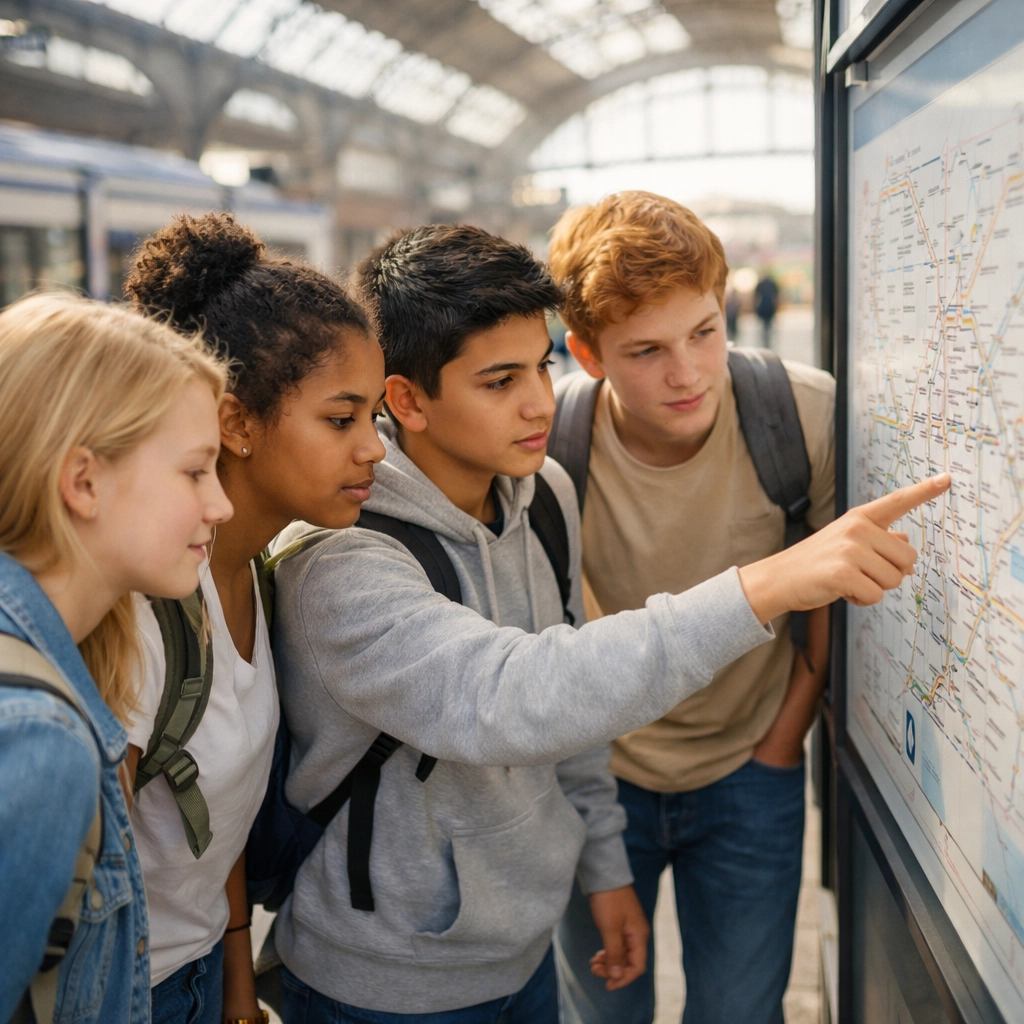
1. Navigating Unfamiliar Environments Builds Problem-Solving Muscles
There's nothing quite like standing in a foreign train station, trying to decipher a transit map in a language you barely speak, to activate every problem-solving skill you possess. This is where resilience begins, in those moments of uncertainty where your teen must figure things out independently.
High school study abroad programs intentionally create opportunities for students to navigate unfamiliar cultural environments. From managing transportation systems to handling language barriers and cultural misunderstandings, each challenge builds the capacity to address unexpected circumstances with creativity and confidence.
The beautiful thing about these experiences is that they're real. When your teen successfully navigates a complex metro system or communicates their needs despite a language barrier, they're not just completing an assignment, they're proving to themselves that they can handle the unexpected. That self-evidence is powerful.
These problem-solving experiences teach students that obstacles aren't roadblocks; they're puzzles waiting to be solved. This mindset shift, from "I can't do this" to "I haven't figured this out yet", is the foundation of resilient thinking.
2. Managing Homesickness Develops Emotional Regulation
Let's be honest: sending your teenager halfway across the world is terrifying for parents. And yes, your teen will experience homesickness. They'll miss your cooking, their bedroom, and the comfort of everything familiar. But here's the transformative part: learning to manage those difficult emotions is precisely what builds emotional resilience.
Study abroad programs don't eliminate discomfort; they provide structured support while students learn to process challenging feelings. When teens work through homesickness and culture shock rather than avoiding these emotions, they develop crucial emotional regulation skills that will serve them throughout their lives.

Resilience means being comfortable with navigating discomfort and overcoming challenges, not eliminating them. Your teen learns that difficult emotions are temporary, manageable, and actually contain valuable information about what matters to them. They discover that they can feel homesick and still find joy in new experiences: that both can exist simultaneously.
This emotional intelligence: the ability to hold complexity and process difficult feelings: is what separates resilient individuals from those who become overwhelmed when life doesn't go according to plan.
3. Living Independently Accelerates Self-Sufficiency
One of the most profound transformations happens in the mundane: doing laundry, managing a budget, planning meals, organizing schedules. When teens participate in immersive programs abroad, they're forced to handle responsibilities they've likely never managed independently.
This isn't just about practical life skills (though those matter too). It's about the confidence that emerges when you realize you can take care of yourself. Every decision made independently: from choosing what to eat to managing time between academic work and cultural activities: builds self-trust and maturity.
Research consistently shows that students who participate in cultural exchange programs demonstrate increased independence in navigating diverse environments. They return home more capable, more confident, and more willing to tackle challenges without waiting for someone else to provide solutions.
For many teens, this is the first time they've experienced genuine consequences for their decisions in a safe but real context. Forgot to set an alarm? You'll learn time management quickly. Overspent your weekly budget? You'll discover financial planning matters. These aren't catastrophic failures: they're valuable learning experiences that build the self-sufficiency required for adult life.

4. Building Relationships Across Cultures Deepens Emotional Intelligence
One of the most underestimated aspects of study abroad programs for teens is the emotional work required to build meaningful connections while far from home. Your teen will need to form new friendships, communicate across cultural differences, and maintain relationships despite distance: all while managing their own emotions around missing family and familiar support systems.
This interpersonal challenge is where emotional intelligence flourishes. Students learn to notice and manage their emotions in ways that prevent overwhelm. They develop empathy by experiencing what it feels like to be an outsider. They practice vulnerability by asking for help in unfamiliar situations.
The ability to connect with local students, faculty members, and peers from around the world fosters social resilience: the capacity to build support networks in any environment. These aren't superficial connections; immersive learning experiences create the conditions for genuine relationships that teach students to appreciate their roots while embracing new perspectives.
When your teen returns home with friendships spanning continents, they're not just collecting contacts: they're demonstrating their ability to connect meaningfully with people who see the world differently. That's a form of resilience our globally connected world desperately needs.
5. Adapting to Different Cultural Norms Teaches Flexibility
Every culture has its own social customs, communication styles, educational approaches, and unwritten rules. Adjusting to these differences requires continuous adaptation: and each successful adjustment strengthens your teen's resilience.
Consider the daily adaptations required: understanding when directness is valued versus when indirectness is preferred, learning new educational styles that might emphasize discussion over lecture, navigating different concepts of punctuality and personal space, adjusting to unfamiliar food and meal schedules.
High school study abroad programs embed resilience-building within these real-world challenges. Rather than teaching adaptability as an abstract concept, students practice it dozens of times daily. Each challenge: from understanding local customs to adjusting to different teaching methods: reinforces the understanding that obstacles are temporary and manageable.
This repeated practice in adaptation creates what researchers call "adaptive capacity": the ability to flexibly adjust strategies based on circumstances. Students learn to cope with uncertainty and persevere in the face of adversity, not through motivational speeches, but through lived experience that proves they can handle more than they imagined.

The Lasting Impact: Resilience That Extends Beyond the Program
The transformation doesn't end when your teen returns home. The resilience built through study abroad programs for teens becomes a permanent part of who they are: a foundation they'll draw on when facing college transitions, career challenges, relationship difficulties, and life's inevitable uncertainties.
Students who've navigated foreign environments independently approach new situations with less fear and more curiosity. They've proven to themselves that they can handle discomfort, solve unexpected problems, and adapt to dramatically different circumstances. That self-knowledge is powerful and lasting.
These programs create what psychologists call "mastery experiences": evidence that you can successfully navigate challenges. Each time your teen recalls how they figured out a confusing situation abroad or pushed through homesickness to discover something beautiful, they're reinforcing their belief in their own resilience.
Building Resilience Through Immersive Experience
At Spark to Connect, we've witnessed these transformations firsthand. We've watched students arrive uncertain and leave empowered. We've seen teens who were nervous about basic navigation return home confidently planning their futures. The difference isn't just in what they learned academically: it's in who they became through the experience.
If you're considering study abroad programs for your teenager, understand that you're not just investing in their education. You're investing in their capacity to handle whatever life brings with grace, creativity, and confidence. You're giving them the gift of knowing they can thrive anywhere, overcome unexpected challenges, and build meaningful connections across any divide.
That's not just a memory they'll cherish: it's a foundation they'll build their entire lives upon. And that makes all the difference.
Ready to explore how an immersive program could transform your teen's resilience? Learn more about our programs designed to develop capable, confident, globally-minded young leaders.
Comments